MISTAKES
Waking without the word
Researchers played 134 hours of TV dialogue to smart speakers. Every show woke at least one device at least once, though most activations were short.
See the numbersSMART SPEAKERS
A smart speaker listens for one word.
When it thinks it hears it, it lights up and starts recording. A 2020 study found everyday dialogue sometimes triggers that by mistake. The good news: researchers found no evidence of constant recording, and UK law now sets basic security rules.
NO DEFAULT passwords since 2024
THE SHORT ANSWER
Wake-word mistakes are real but usually brief.
Security is mostly about set-up and updates.
MISTAKES
Researchers played 134 hours of TV dialogue to smart speakers. Every show woke at least one device at least once, though most activations were short.
See the numbersPASSWORDS
Since 29 April 2024, UK law says connectable products' passwords must be unique per product or set by the user, not easy to guess.
What the law saysSETTINGS
The NCSC says to change any default password, switch on automatic updates and turn on 2-step verification if the app offers it.
Check your setupA QUICK SETUP CHECK
Pick a setting to see what the National Cyber Security Centre advises. The bar shows how much a step matters, in our reading of the guidance.
Based on NCSC guidance, Smart devices: using them safely in your home. The ordering is our own summary, not an official ranking.
TWO NUMBERS WORTH KNOWING
From a 2020 study by Northeastern University
and Imperial College London.
0.95 per hour
Highest rate for one speaker and one show
Across all shows, the most-triggered devices woke about 0.4 times an hour without the wake word. One speaker playing one dialogue-heavy drama averaged 0.95 an hour.
ACCIDENTAL WAKES · PETS 2020
10%
Activations lasting 8–10 seconds or more
For three of the speakers tested, 10% of accidental activations lasted at least 8 to 10 seconds, long enough to capture parts of a conversation.
RECORDING LENGTH · PETS 2020
The researchers found no evidence of constant recording or of secret, unrelated wake words. Unclear speech, foreign languages and dense dialogue made mistaken wakes more likely.
FOUR STEPS FROM THE NCSC
These apply to smart speakers and to other connected gadgets in the home, from cameras to kettles.
Set your own password at first set-up, or change the default. Combining three random words works well.
If the app offers it, 2SV double-checks that it is really you signing in.
Switch on automatic updates so security fixes arrive without you having to remember.
Before buying, find out how long the maker will provide security updates. UK law now requires that date to be published.
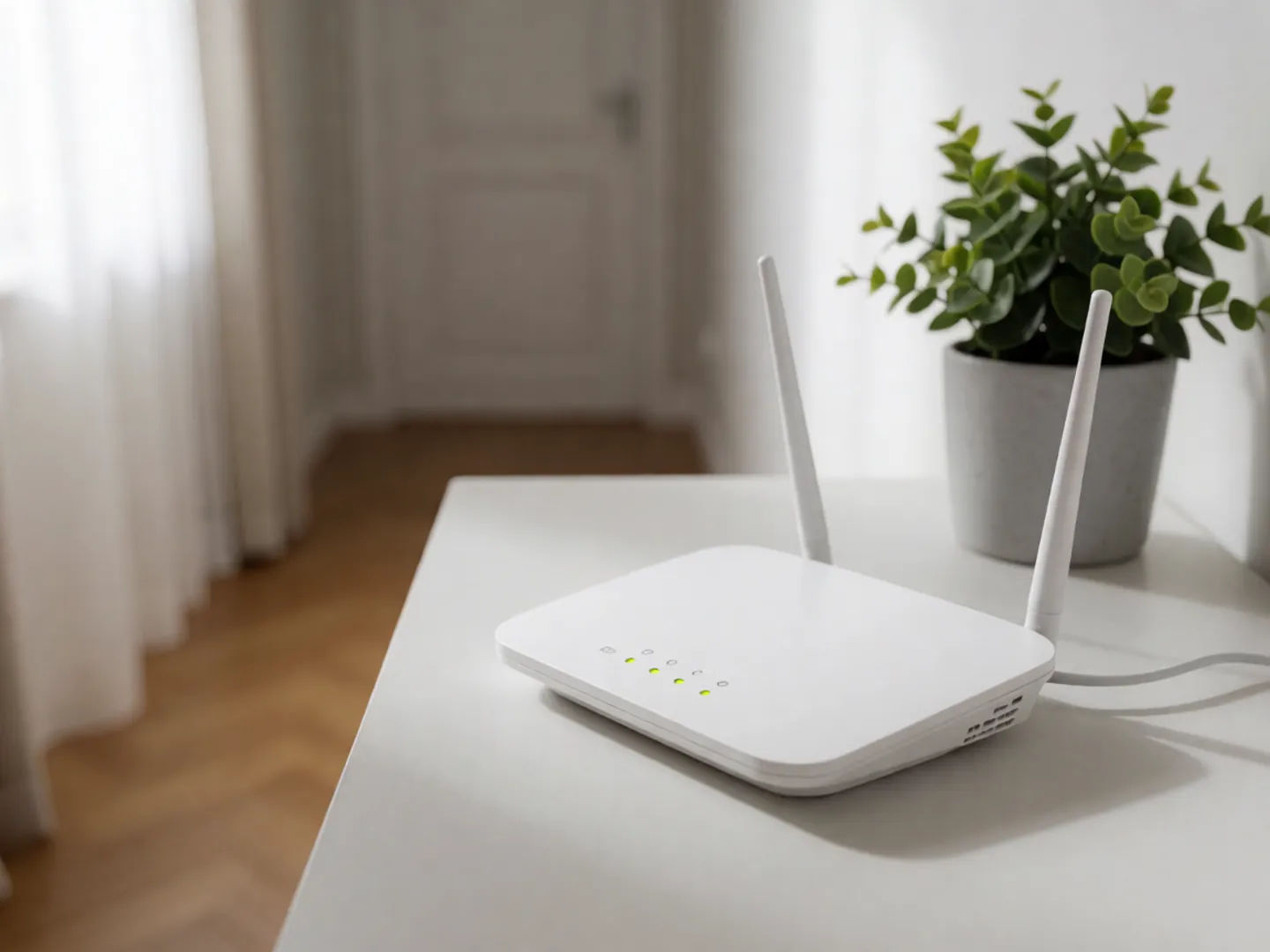
WHAT UK LAW SAYS
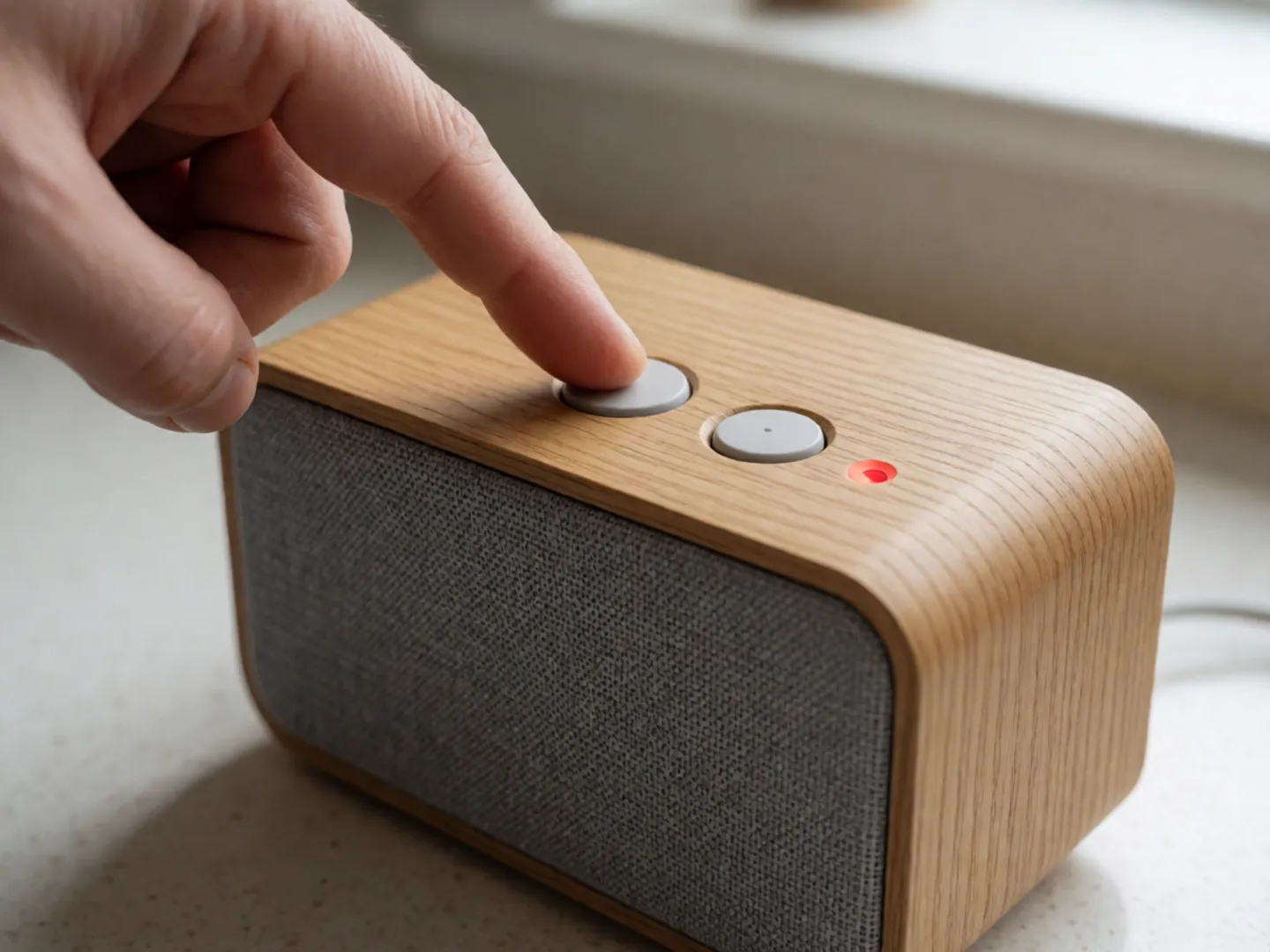
The UK's product security regime came into effect on 29 April 2024. Passwords must be unique per product or set by the user, and must not be easily guessable or based on things like serial numbers.
Makers must also say how to report security issues, and publish the minimum period for which security updates will be provided, with an end date, in a clear and accessible way.
Questions
The 2020 study found no evidence of constant recording. Devices did wake up by mistake fairly often, but usually only for short periods.
Words that sound like the wake word. The researchers found unclear speech, foreign-language dialogue and dense conversation caused more mistaken wakes.
In the study, almost all activations detected on the device were also sent over the internet to the maker's cloud service.
Smart products sold in the UK must not use guessable default passwords, must say how to report security issues, and must publish how long they will get security updates.
The NCSC suggests checking the password is your own, switching on automatic updates and turning on 2-step verification if it is offered.
Sources
ABOUT THIS NAME
linuxspeaker.com is part of the DoodleSale portfolio. It isn't in an auction right now, but you can ask about leasing it.